In modern manufacturing, the choice of cutting process directly impacts product quality and production efficiency. Traditional flame cutting and plasma cutting often fall short when dealing with intricate, complex, irregularly shaped parts or heat-sensitive materials such as composites and carbon fibers. The emergence of waterjet cutting robots perfectly combines ultra-high-pressure water jet technology with the flexibility of industrial robots, providing a near-universal cold cutting solution for numerous industries.
What is a Waterjet Cutting Robot?
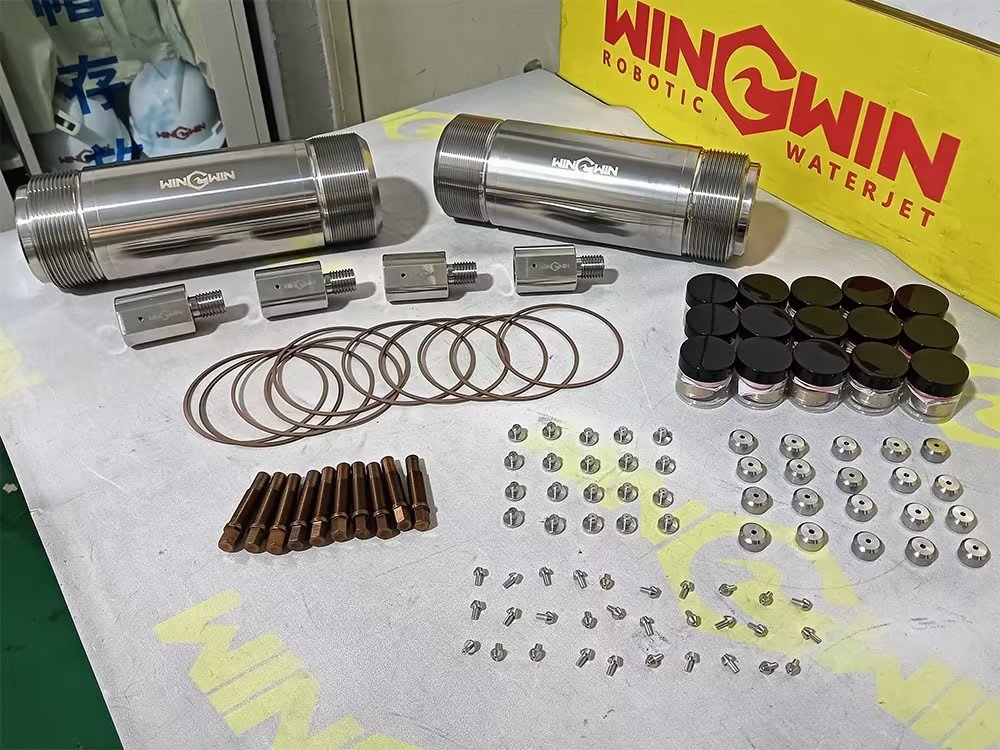
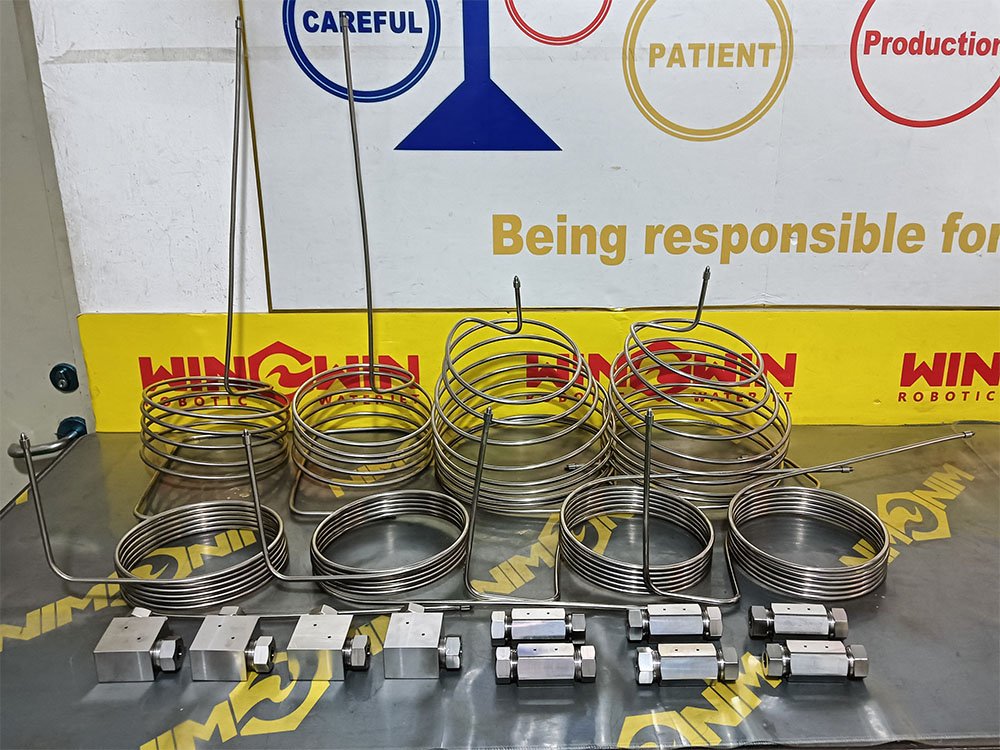
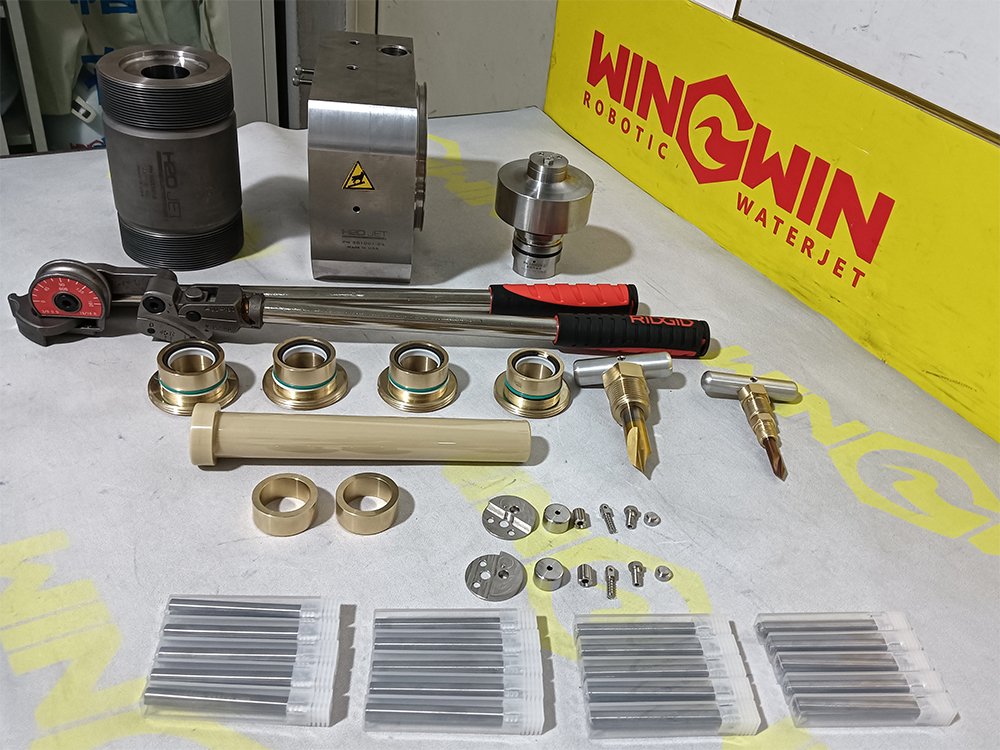
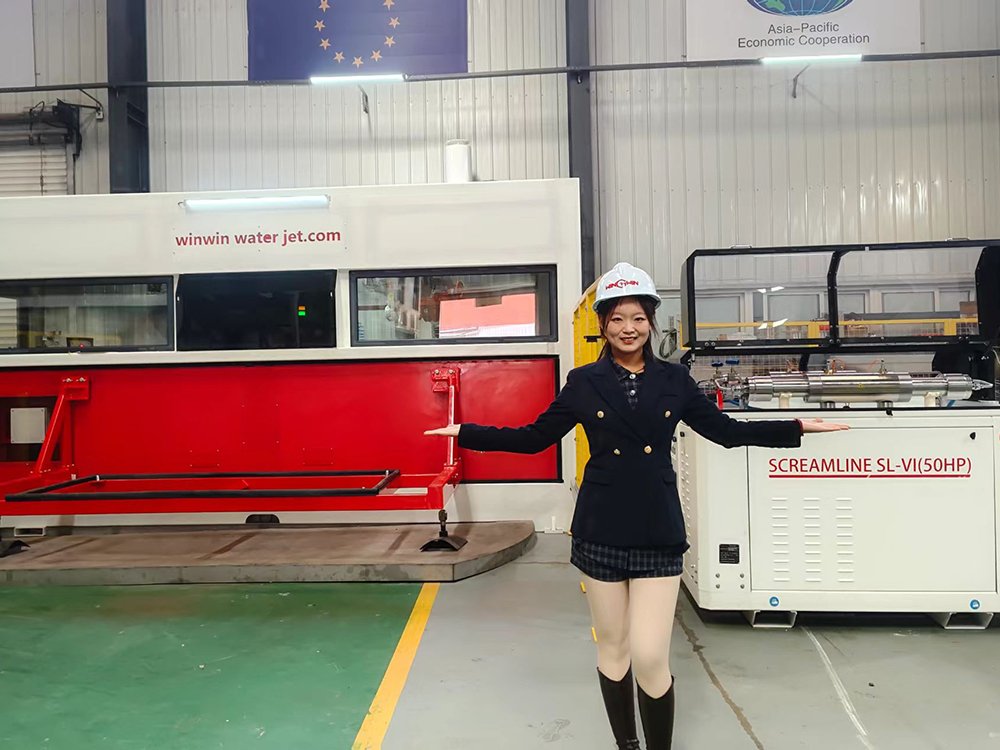
A waterjet cutting robot system is not simply a collection of devices, but a highly integrated automated processing unit. It typically consists of three core parts: the industrial robot body as the actuator, the pressurization system that generates ultra-high-pressure water jets, and a unified control system and safety platform.
Wide Range of Applications
The “cold cutting” characteristic of waterjet cutting robots makes them applicable to a wide range of scenarios, especially in heat-sensitive or high-precision fields.
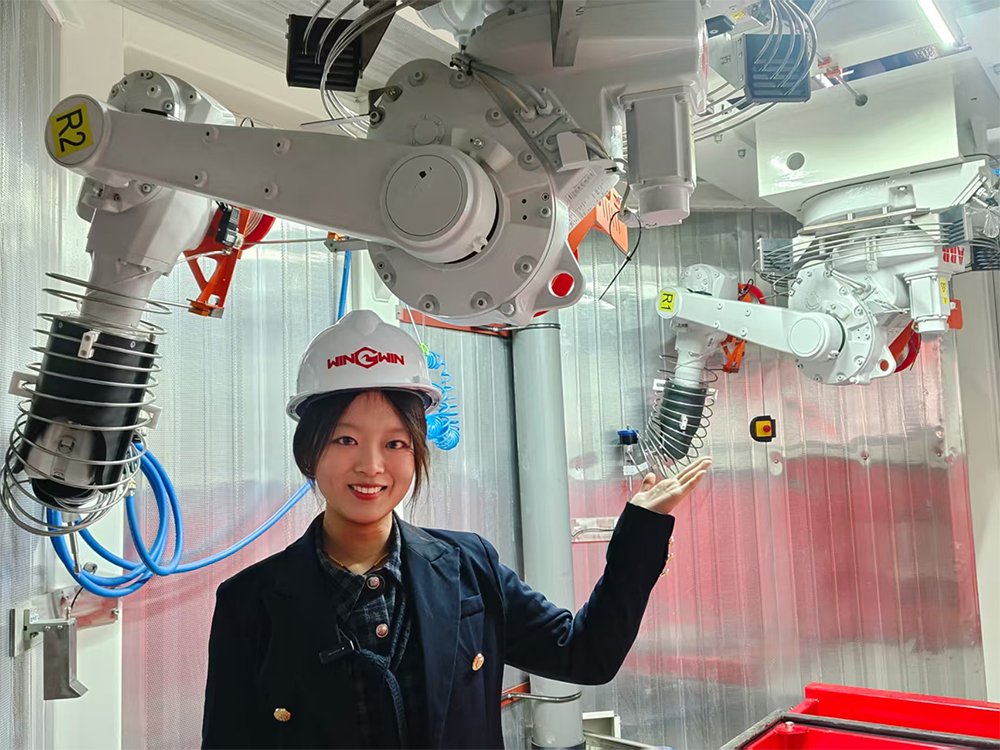
Automotive interior parts processing is one of the most mature applications of waterjet cutting robots. Automotive floor mats, dashboards, interior carpets, door panels, and other components are typically made of ABS, linen, polypropylene, or fabric composites. Traditional stamping processes require mold making, which is not only time-consuming and costly but also lacks flexibility. When vehicle models are updated or designs change, expensive molds have to be discarded. Waterjet cutting robots, however, can quickly switch production types through programming, completing setting changes within minutes, greatly meeting the automotive industry’s demand for multi-variety, small-batch customization. A single system, coupled with dual rotary tables, can achieve uninterrupted production, with an annual capacity of tens of thousands or even hundreds of thousands of pieces.
In the aerospace and high-end equipment manufacturing sectors, waterjet cutting robots also play a crucial role. Materials such as carbon fiber composites, aramid honeycomb panels, and titanium alloy sheets are prone to delamination or thermal deformation during processing. The cold-state characteristics of waterjet cutting perfectly solve this problem. Furthermore, in fields such as architectural decoration, stone processing, and food cutting, waterjet cutting robots, with their advantages of narrow kerfs, no pollution, and no alteration of material properties, are gradually replacing traditional sawing and milling processes.
With the continuous advancement of ultra-high pressure technology and robot control technology, waterjet cutting robots are developing towards greater intelligence, precision, and energy efficiency. For enterprises seeking to improve processing flexibility, enhance product quality, and practice green manufacturing, introducing waterjet cutting robots is undoubtedly a worthwhile path to explore.